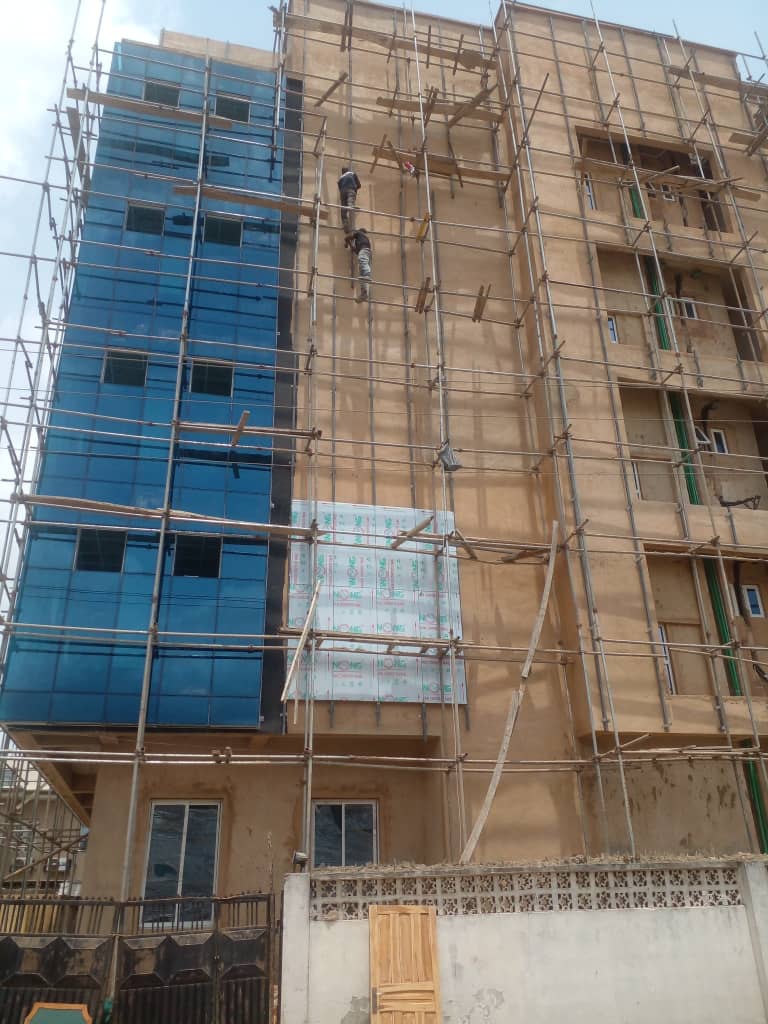
Sustainable construction in Nigeria is increasingly about performance rather than trend language. Clients want buildings that remain cooler, last longer, and create fewer maintenance problems over time.
This topic matters because clients are making higher-stakes decisions around land, approvals, budgeting, and long-term building value. Strong content should therefore answer the search intent clearly while also helping the reader understand how design and construction choices affect project outcomes.
Planning and Delivery Insight
Good sustainability decisions begin early, with orientation, shading, moisture control, durable materials, and practical service planning. Materials should be judged by lifecycle value, not only by first impression.
In practical terms, early coordination gives the client more control over cost, quality, and timeline. It also reduces the number of reactive decisions that typically create stress once the project reaches active construction.
Common Risks and Mistakes
A material that looks modern but fails quickly under local climate conditions creates repeated repair cost and weakens the value of the whole building. Sustainability becomes meaningful only when durability and maintenance are treated seriously.
Projects usually become more expensive and more difficult when these issues are ignored until site work is already in progress. That is why stronger planning almost always delivers better value than rushed correction later.
Multigrid Perspective
We advise clients to choose materials based on weather performance, availability, and long-term usability. The strongest sustainable decision is usually the one that performs reliably after handover.