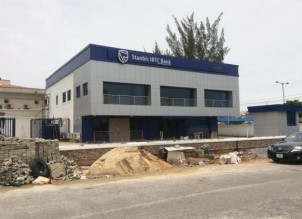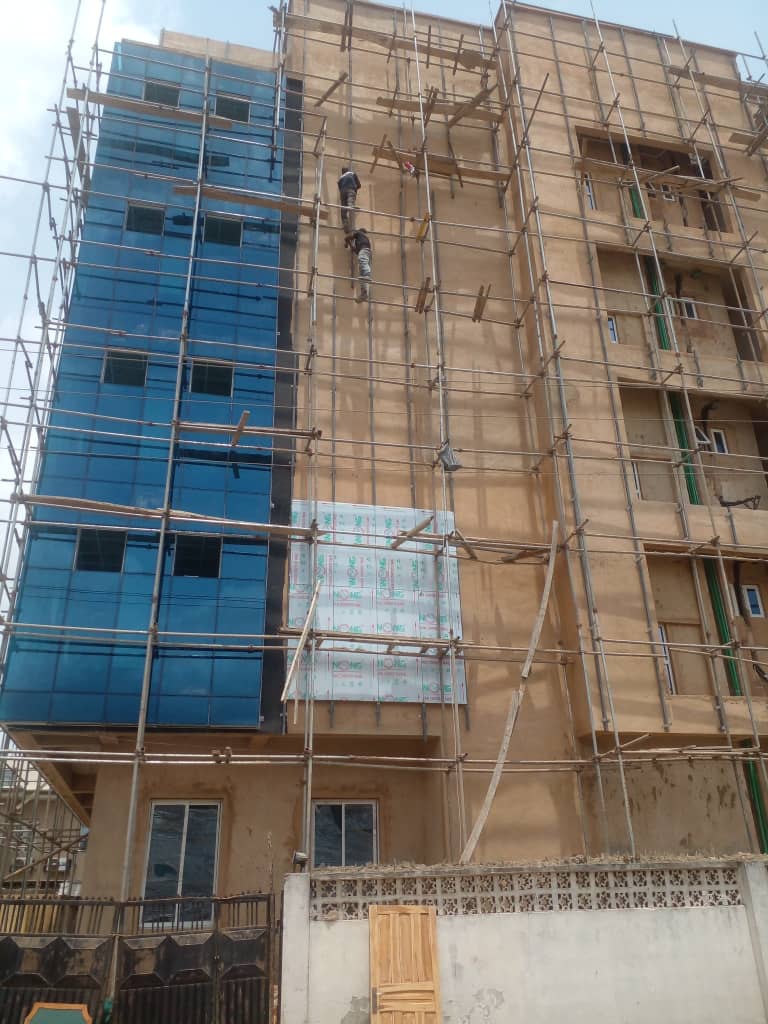
Before mobilization, validate approvals, design coordination, and utility access plans.Small omissions at this stage can cause major delays later.
Project Overview
At Multigrid, every Construction assignment starts with a practical review of site conditions, client priorities, and delivery timelines. For this project, our team focused on balancing structural performance, budget discipline, and long-term maintainability. We coordinated design intent with construction realities, so decisions made at planning stage remained achievable during execution.
We developed a phased delivery strategy that reduced disruption, improved supervision quality, and made milestone tracking easier for all stakeholders. This allowed transparent communication throughout the project and ensured that technical updates were shared early enough for quick action.
Design and Technical Direction
The technical direction behind Residential Build Checklist Before Breaking Ground was based on durability, user comfort, and operational efficiency. Material selections were made to withstand local weather conditions while maintaining visual quality and manageable lifecycle costs. We also aligned the functional layout with circulation patterns to improve usability and service flow.
Our engineers and architects reviewed the structure and service routes repeatedly to prevent late-stage clashes. This process improved fit-out quality, reduced unnecessary rework, and created better conditions for safety and quality control on site.
Execution Process
Execution was handled through a strict quality assurance process. We implemented checklist-driven inspections, daily progress records, and periodic coordination meetings. These routines helped resolve small issues before they became critical and ensured progress stayed aligned with approved drawings and specifications.
Cost control was integrated into the workflow using staged procurement and scope-based approvals. This ensured that every spend aligned with project goals and protected the client from avoidable overruns. Our project managers maintained close coordination with vendors to preserve both quality and schedule.
Outcome and Value Delivered
The result is a project that combines strong technical performance with a clean, functional finish. Beyond completion, we provided handover guidance to support smooth operation and maintenance. This practical close-out approach gives clients confidence that the delivered asset will remain efficient and reliable over time.
Multigrid continues to apply this same process framework across projects: clear planning, disciplined execution, and measurable outcomes. That is how we consistently deliver value in Construction projects of different sizes and complexity levels.
Planning Discipline and Risk Management
One of the strongest predictors of project success is early risk definition. In our workflow, we break project risk into design risk, commercial risk, and delivery risk. Design risk covers coordination errors, incomplete detailing, and unclear specifications. Commercial risk focuses on cost volatility, supplier uncertainty, and approval timelines. Delivery risk addresses site access, sequencing, and safety dependencies. By classifying risk this way, teams can assign ownership and track mitigation actions in a measurable format.
For Construction projects, this approach helps maintain control even when site conditions change. Instead of reacting late, project leaders can trigger pre-agreed alternatives for materials, phasing, or temporary works. This keeps momentum and protects decision quality under pressure.
Quality Culture and Site Supervision
High-quality output is not a single inspection event; it is a culture reinforced daily. Our teams apply inspection and test plans at key hold points, record observations with photo logs, and close out snags with accountable deadlines. Supervisors are expected to verify workmanship against drawings and method statements before subsequent trades continue. This simple discipline prevents hidden defects and raises handover reliability.
We also invest in workforce orientation so each team understands not just what to build, but why specific details matter. When people understand the performance intent behind a detail, workmanship consistency improves and rework drops significantly.
Client Communication and Handover Readiness
Client confidence grows when communication is consistent and transparent. Weekly progress reporting, schedule look-ahead notes, and clear issue escalation channels keep expectations realistic and decisions timely. At close-out stage, we provide practical handover information covering operation guidance, maintenance priorities, and recommended inspection intervals. This helps clients preserve asset value long after construction completion.
Ultimately, durable project success comes from the combination of technical accuracy, collaborative communication, and disciplined execution. This is the operating principle we continue to apply across all Multigrid projects.
Operational Performance After Completion
Beyond project completion, long-term performance depends on structured maintenance and timely preventive actions. We encourage routine condition checks, documented service schedules, and clear responsibility mapping for building systems. This protects asset value, improves safety, and reduces lifecycle costs over time.
Where teams maintain this discipline, facilities remain efficient and user satisfaction remains high. This final phase is as important as design and construction because it converts project delivery into lasting operational value.
Consistent project governance, cross-team accountability, and proactive review cycles remain essential to delivering predictable outcomes across varying project conditions and stakeholder requirements.