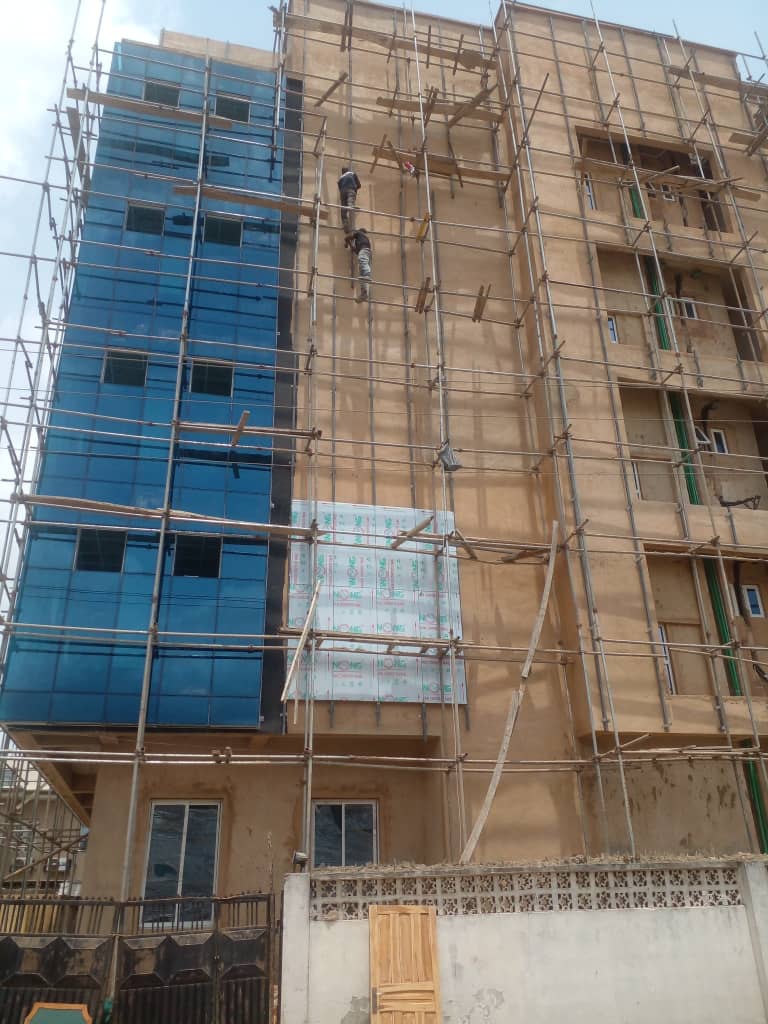
Clients often ask how to reduce construction cost without damaging quality. In most cases, real savings come from better planning, better design efficiency, and stronger supervision rather than from cutting technical corners.
This topic matters because clients are making higher-stakes decisions around land, approvals, budgeting, and long-term building value. Strong content should therefore answer the search intent clearly while also helping the reader understand how design and construction choices affect project outcomes.
Planning and Delivery Insight
Design coordination, early quantity review, phased procurement, and sensible material choices can lower cost while protecting performance. A simple and disciplined building form often creates more value than aggressive site improvisation.
In practical terms, early coordination gives the client more control over cost, quality, and timeline. It also reduces the number of reactive decisions that typically create stress once the project reaches active construction.
Common Risks and Mistakes
False savings usually appear when important technical elements are downgraded or when rushed substitutions are made without understanding long-term consequences. Those decisions tend to create defects, rework, and maintenance stress later.
Projects usually become more expensive and more difficult when these issues are ignored until site work is already in progress. That is why stronger planning almost always delivers better value than rushed correction later.
Multigrid Perspective
We focus on value engineering that preserves the performance of the building. Cost control works best when every saving has technical logic behind it.