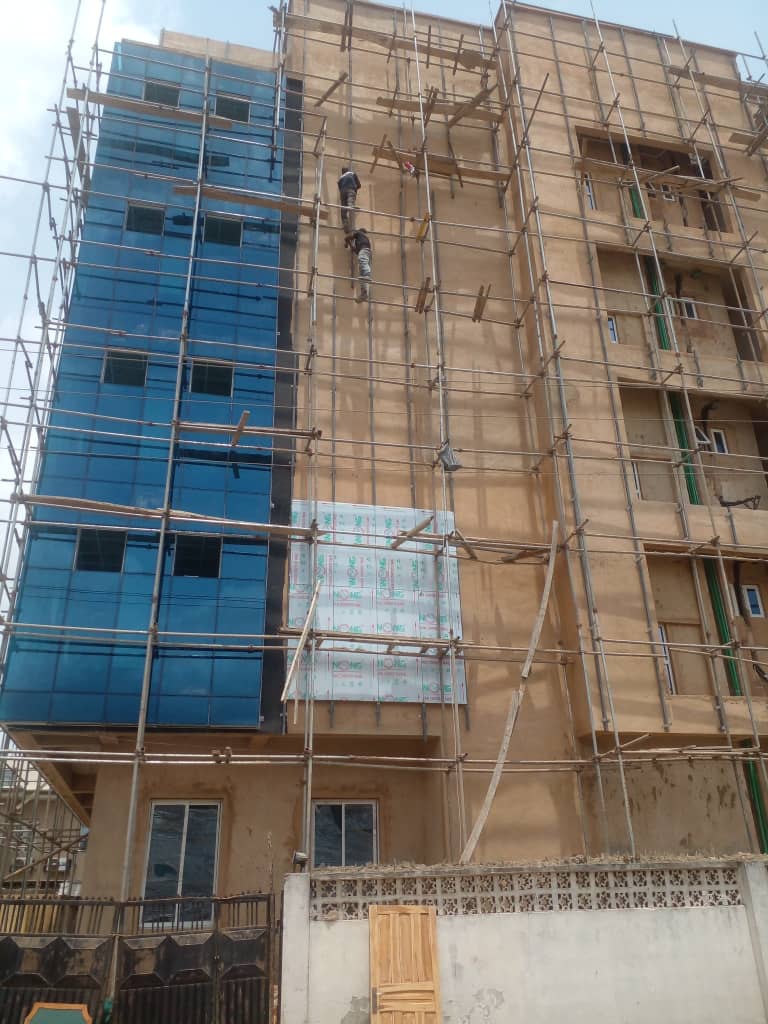
Small plots are common in urban Nigeria, so homeowners regularly search for house designs that make limited land feel efficient and comfortable. The best result usually comes from smart planning rather than trying to force too much building mass onto the site.
This topic matters because clients are making higher-stakes decisions around land, approvals, budgeting, and long-term building value. Strong content should therefore answer the search intent clearly while also helping the reader understand how design and construction choices affect project outcomes.
Planning and Delivery Insight
Strong small-plot design depends on zoning, light, ventilation, circulation, and realistic use of external space. A well-organized layout can make a compact building feel more valuable than a larger but poorly planned one.
In practical terms, early coordination gives the client more control over cost, quality, and timeline. It also reduces the number of reactive decisions that typically create stress once the project reaches active construction.
Common Risks and Mistakes
Overbuilt sites often suffer from weak ventilation, awkward movement, poor parking logic, and expensive structural compromises. On tight plots, every design decision becomes more visible during construction and daily use.
Projects usually become more expensive and more difficult when these issues are ignored until site work is already in progress. That is why stronger planning almost always delivers better value than rushed correction later.
Multigrid Perspective
At Multigrid, we design compact homes around real living patterns and buildability. The goal is a house that performs well on the land, not just one that looks large on paper.